
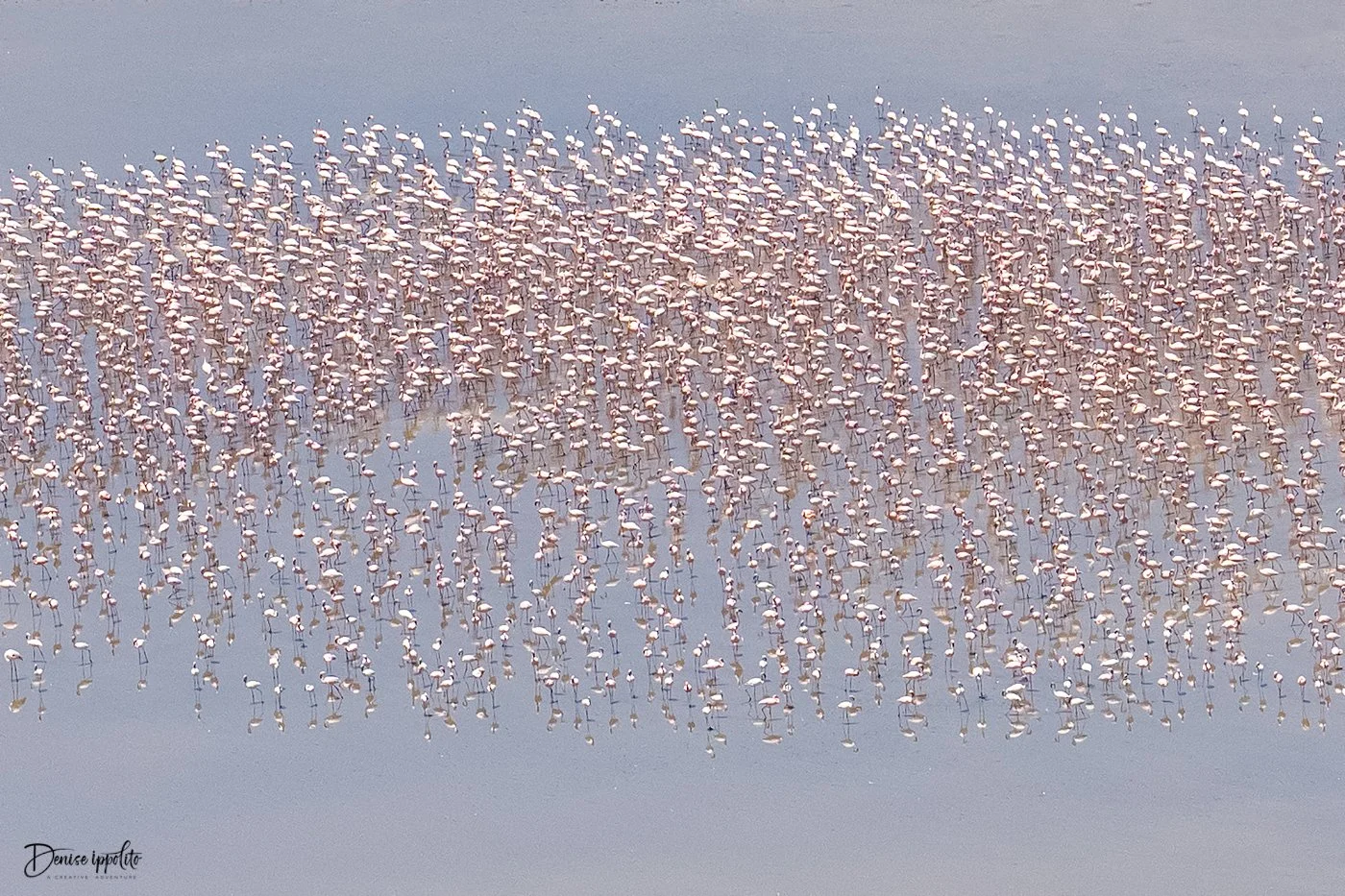
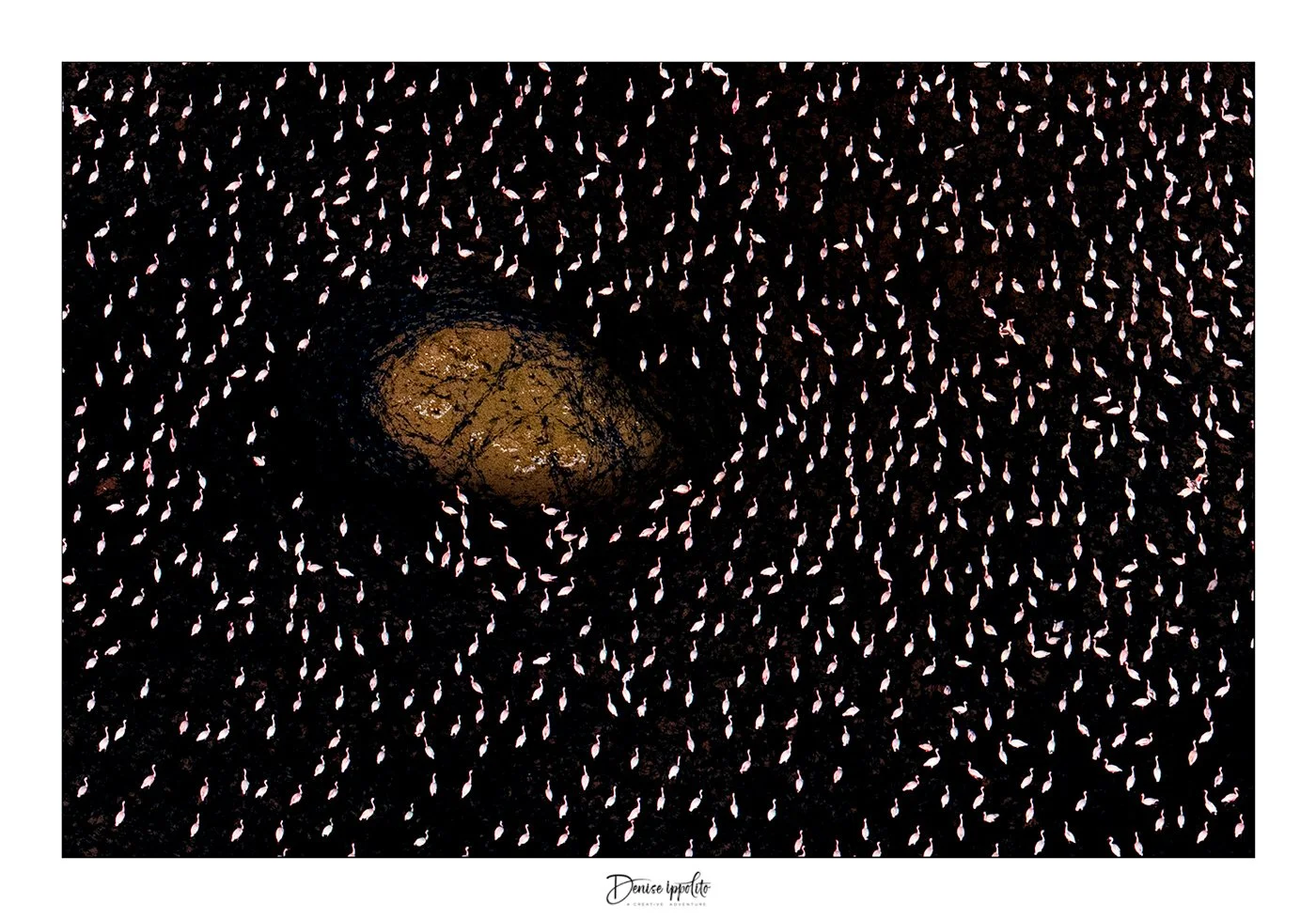
The Eye of the Tiger.
I just returned home from a 10-day incredible photo tour to Kenya featuring a two-day exclusive helicopter excursion to the northern region of Kenya where we photographed the soda lakes and surrounding areas. We landed in remote places that most people never see or visit. Then we finished with two separate safaris to Samburu and the Maasai Mara. There were four clients and two leaders…
The one, the only, Kitty Riley Kono Cobb signed up for the trip and coincidentally, she was on my second flight to Nairobi. For those of you that know Kitty, you know how much fun she is to be around. Kitty has published numerous photo books (I’m honored to be mentioned in a few). Look for her critter posts on Facebook, they are a real treat! Later we were joined by Mansoor Assadi, Emry Oxford and Linda Caden. They are truly kind, wonderful people that I love being around. Emry is an award-winning underwater photographer and probably the most interesting person you would ever meet. Mansoor is an accomplished photographer who specializes in large prints. His work sells at prestigious galleries in California. Linda Caden is also an award-winning photographer living in Florida. She enjoys photographing wildlife and nature, seashores, and skies. So happy that I got to share this experience with all of them!
In Nairobi, we met up with Paul McKenzie. For those of you that don’t know Paul, he is an excellent photographer, with years and years of experience along with a wealth of knowledge in all types of aerial photography. Having been born in Kenya, Paul has a bond with the land that shows in each and every one of his photos. I am honored to have co-led this very first Helicopter Adventure Tour in Kenya.
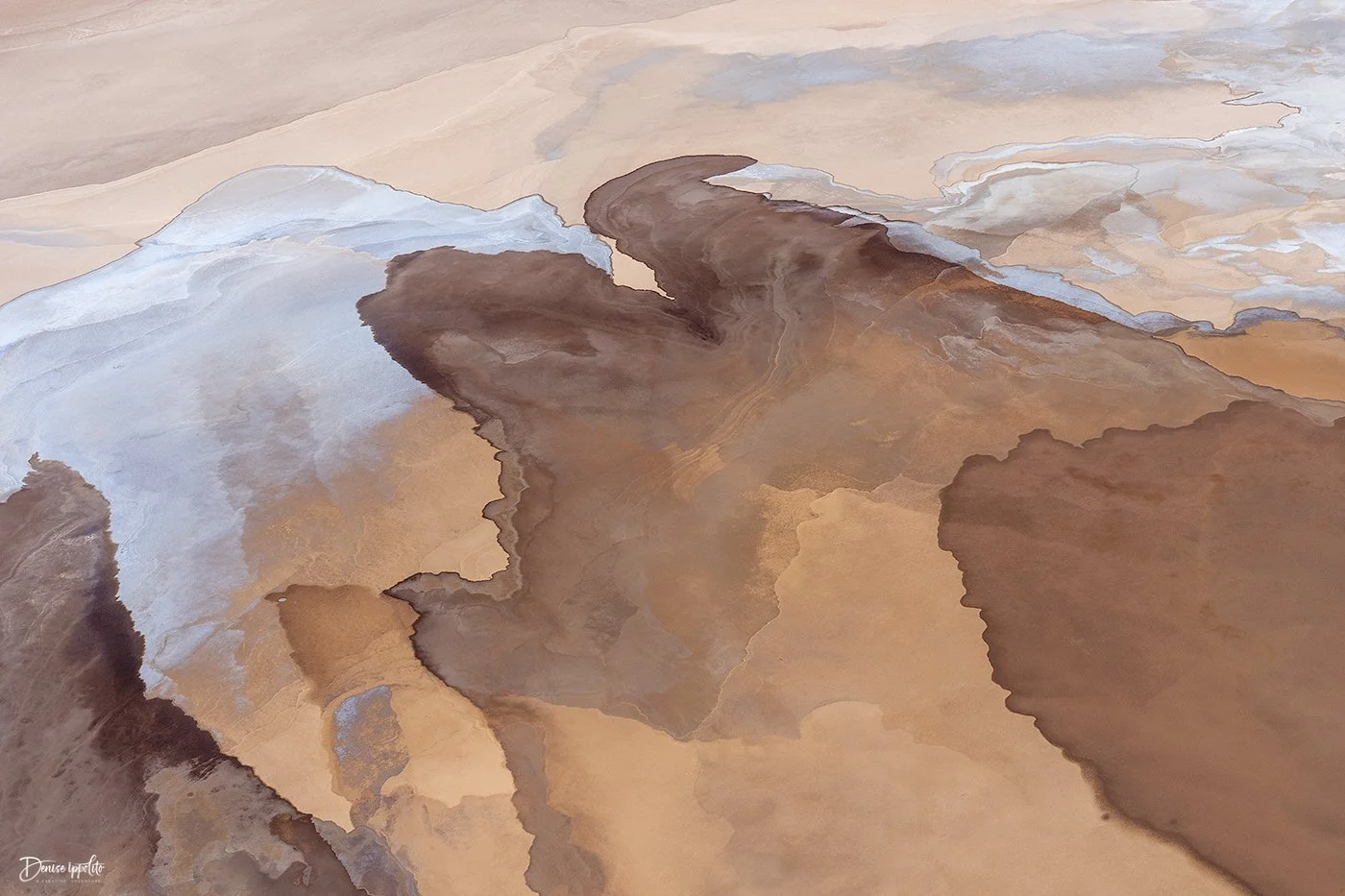
Our first day of helicopter photography was fabulous! The water levels were low, so we were able to get beautiful patterns and background colors for the flamingos. BTW, our target species for the aerial portion of the tour were Lesser and Greater Flamingos. There weren’t millions of flamingos but there were definitely thousands, and they swarmed the lakes, back and forth creating interesting shapes that beckoned to be photographed.
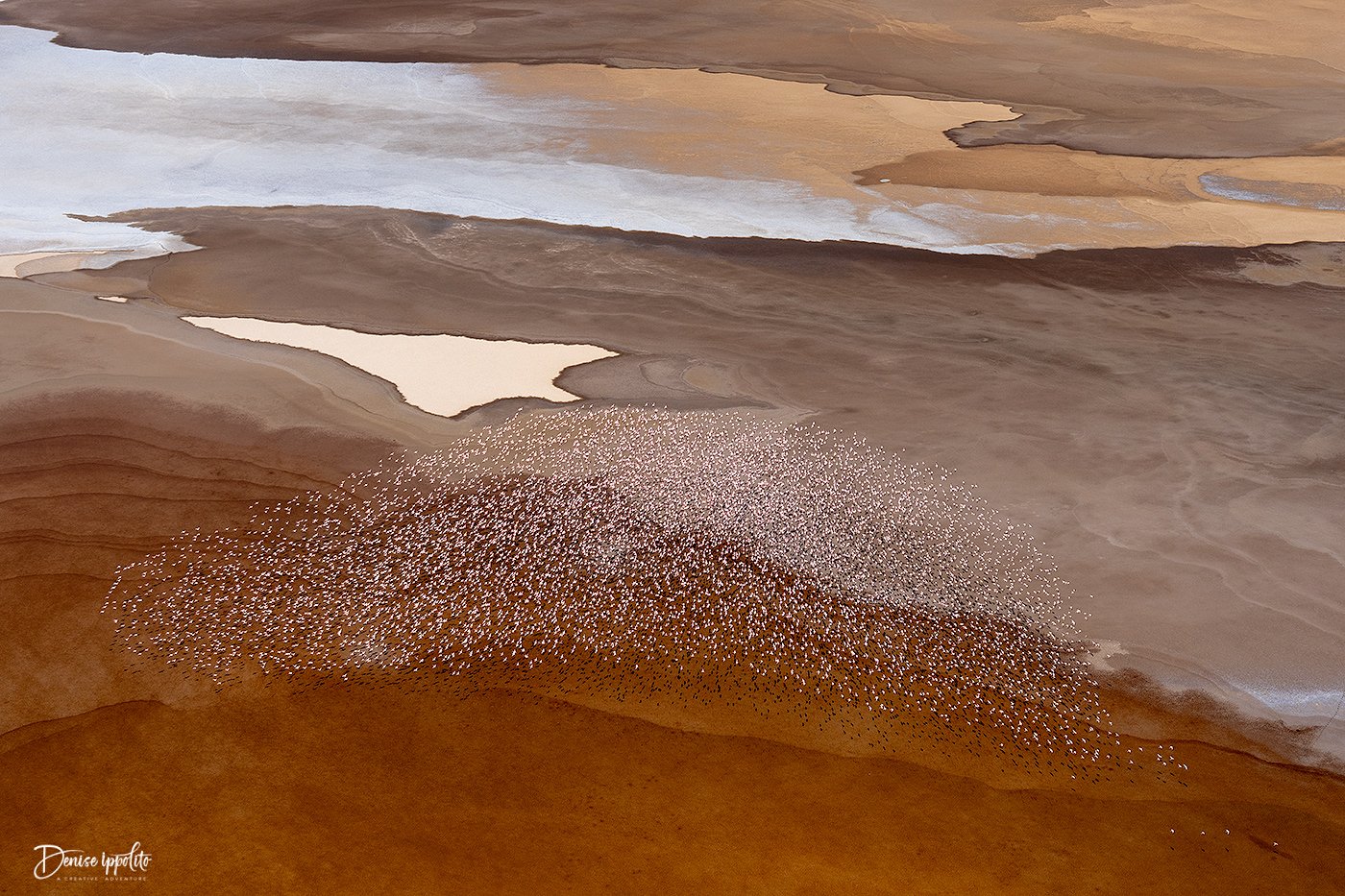
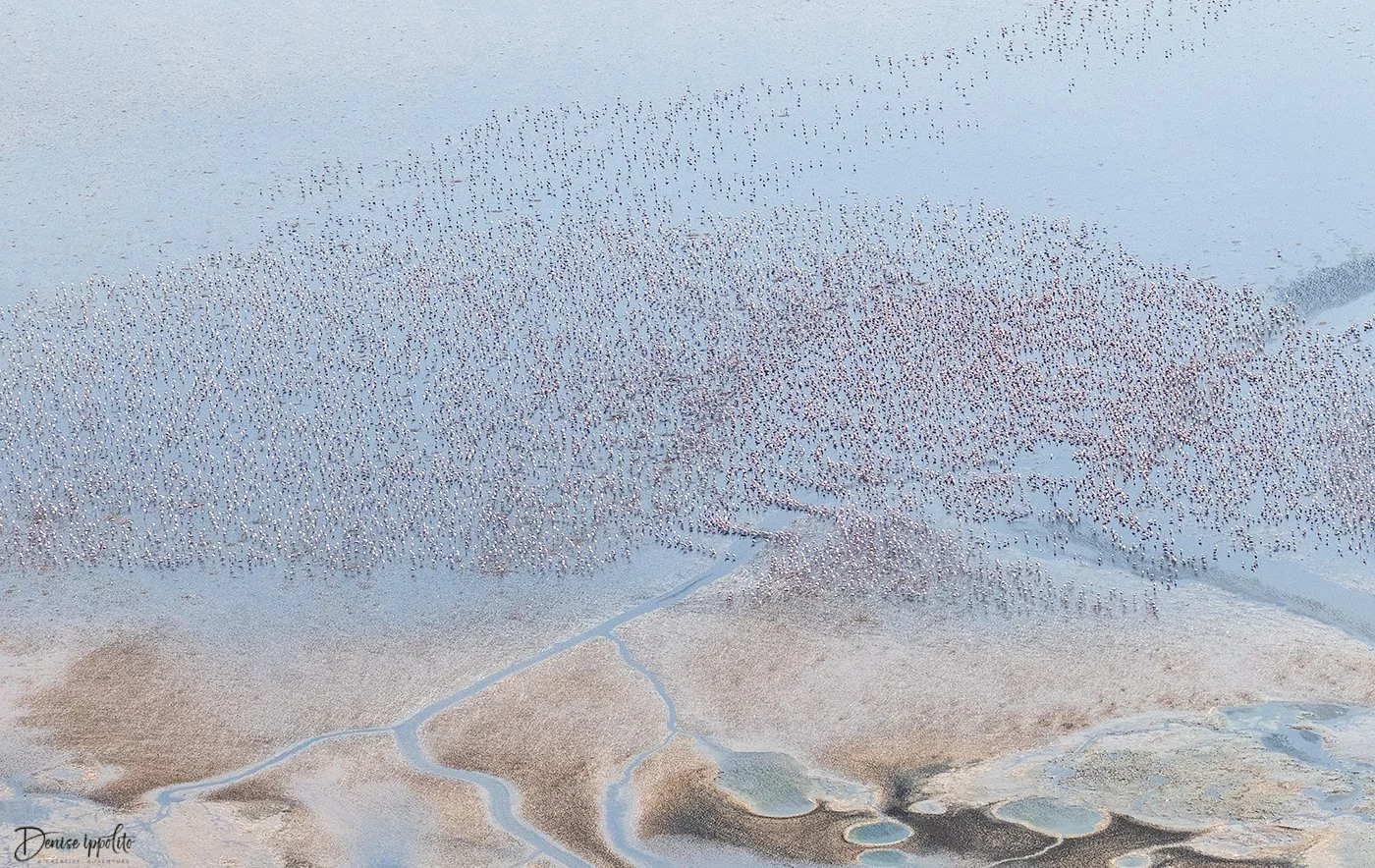
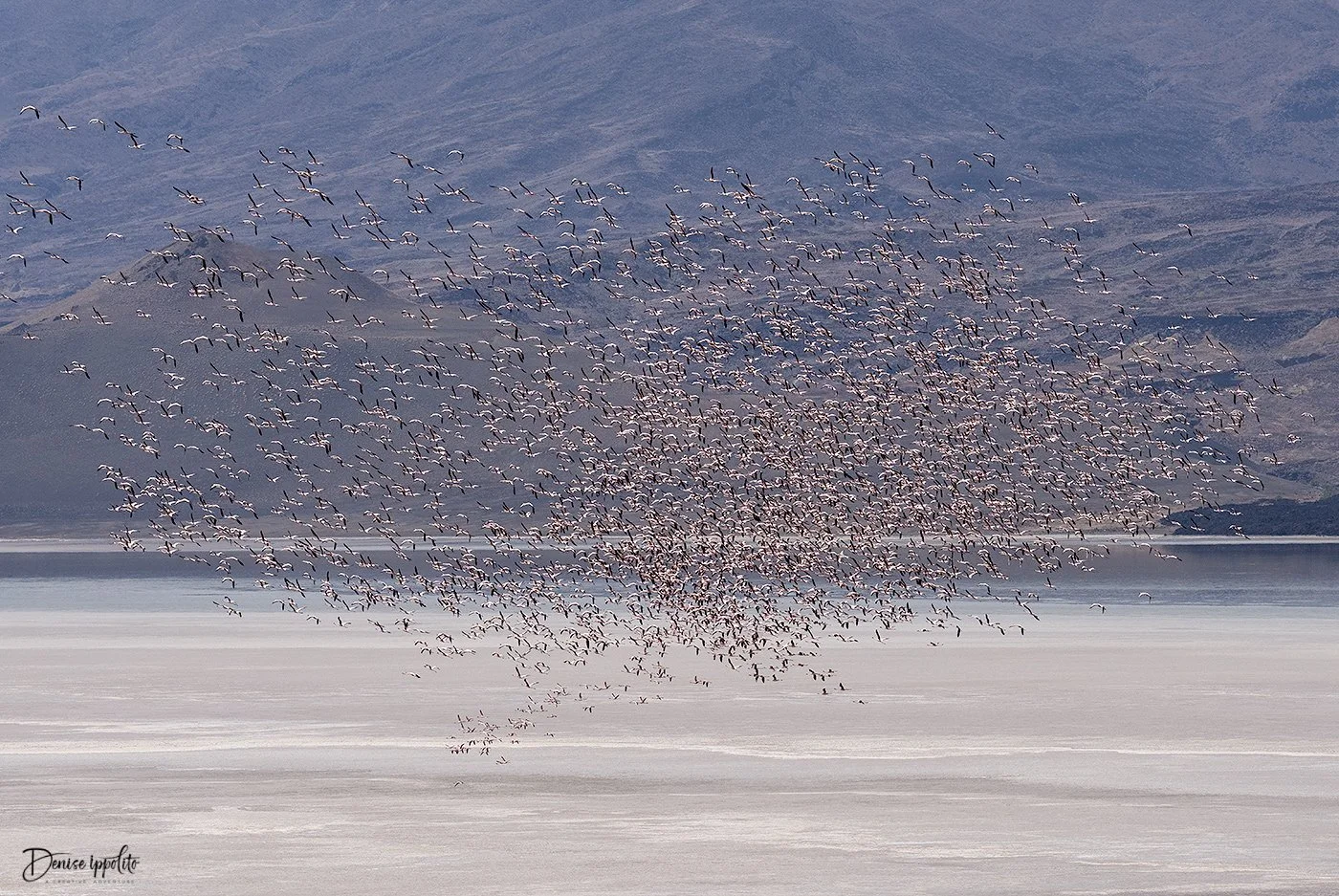
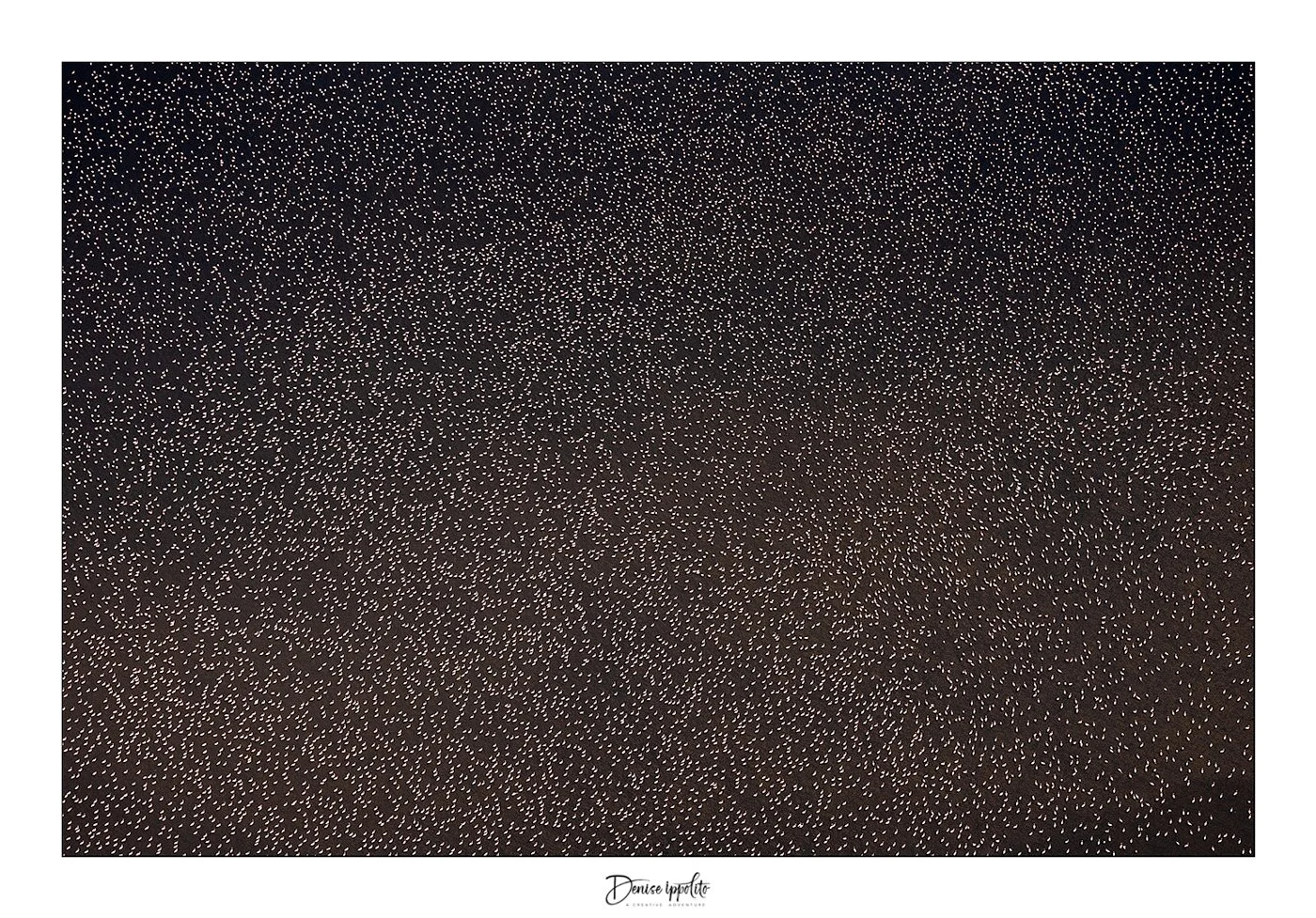
Just to give you an idea of how many flamingos we saw.
Our 2 pilots each flew an R66 helicopter with open doors. And wow, these guys could handle a chopper!!! Both pilots were extremely seasoned with each having over 12 years of experience flying in difficult winds and rugged terrain. Not only could they land the helicopters on a dime, but they also flew us within feet of waterfalls that were wedged in canyons on cliffsides. It was an incredible experience that I will not forget. On our first night we slept under a star canopy on a remote island with the lake gently rolling on the shore. I can’t remember a better night’s sleep. We ate fresh, wild caught Tilapia that was captured that day. They pan-seared it to perfection along with an assortment of other goodies.
The next morning, we got back in the choppers and circled back to Lake Logipi, and it did not disappoint. Large flocks of Lesser and Greater Flamingos dotted the scenery. I found some of the most amazing shorelines and patterns to work on.
For this portion of the tour, I used both my 24-105mm lens and my 70-200mm f2.8 lens. I also engaged my internal crop factor when needed. I had both strapped on over my seatbelt. I do want to mention that when photographing these birds from a helicopter, it is imperative to remain well above them so that you do not disturb their behavior. You do not want them lifting and flying for your pleasure.
The region we visited was home to some of the most remote land I’ve seen in Kenya. Most of it is very inhospitable, it is hard to imagine people and animals living in this arid, desert-like area but we saw many, many goats, camels and herders covering great distances on foot throughout our tour. After we all had our fill of aerial photography (well, at least until next year) we landed the choppers right outside our lodge in Samburu. I felt like a movie star making an entry. Ok
We had a 3 night’s stay in Samburu. Here we targeted the Special 5. They are Beisa oryx, Reticulated giraffe, Somali ostrich; Grevy's zebra and Gerenuk. We also went there to photograph the Vulturine guinea fowl with their striking, cobalt blue feather patterns. In addition, we photographed a lioness with 6 good sized cubs. You could tell they were still young and relied on mom as the main bread winner. We watched as the lioness stalked a group of adult warthogs but ended up not pouncing. I think that she needed to be extra careful knowing that so many mouths were counting on her, she couldn’t take a chance getting gored by their tusks.
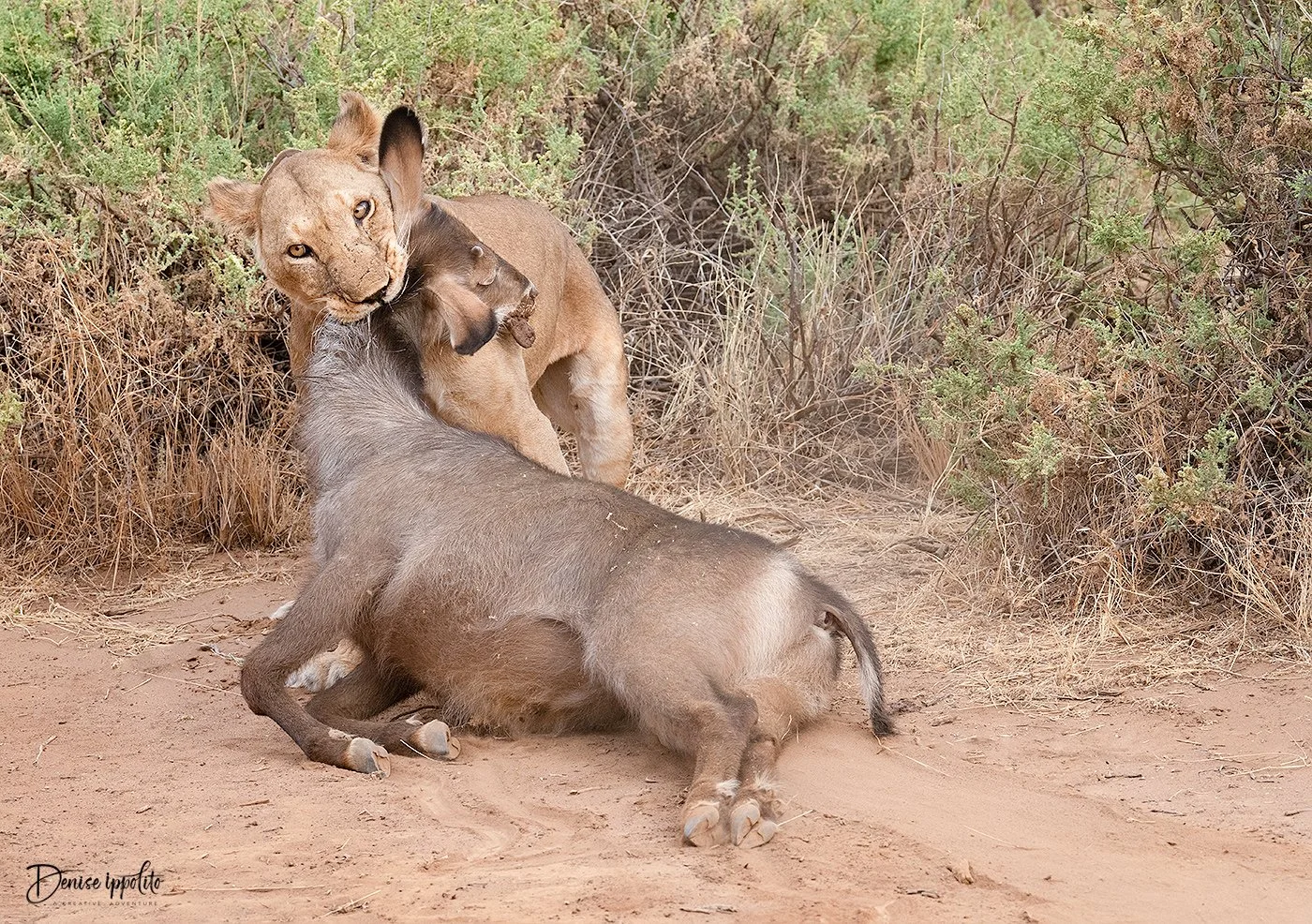
Lioness dragging a Waterbuck, note the drag lines.
On our last full day of photography in Samburu, we were able to capture a lioness that was dragging a young waterbuck. We had just missed her take it down, ratz. We were alerted to the scene by a young photographer named Rohan Shah. I met Rohan at our lodge earlier and he and I exchanged names and numbers and briefly discussed photography. He saw our vehicle passing by and he waived us over— many thanks Rohan. We did manage to get a few photos of her pulling the kill closer to where she had left her cubs while she went out hunting. After she found a safe bush to hide the waterbuck under, she went off to collect her cubs. We photographed them as they came romping towards mom in anticipation of the meal!
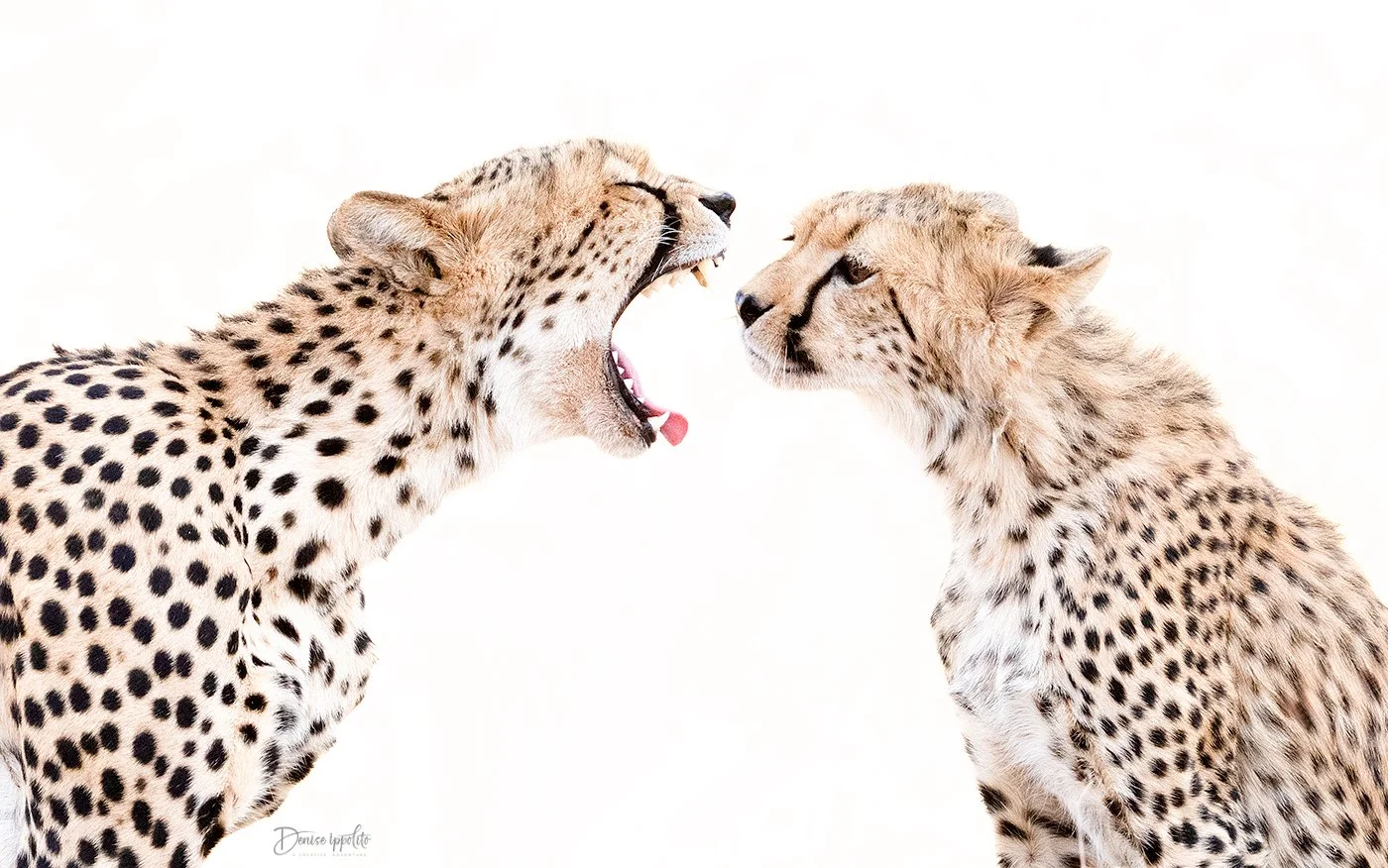
We also photographed a cheetah with a young cub. The cub was tall and slender as are most of the cheetah I’ve seen in Samburu. At least compared to the cheetah cubs in the Mara. I captured a few tender moments, we didn’t have great light, but we made the most of it. Sometimes the behavior supersedes the lighting.
We also photographed tons of birds monkeys, baboons, and antelope. We even got a glimpse of a leopard and some bat-eared fox.
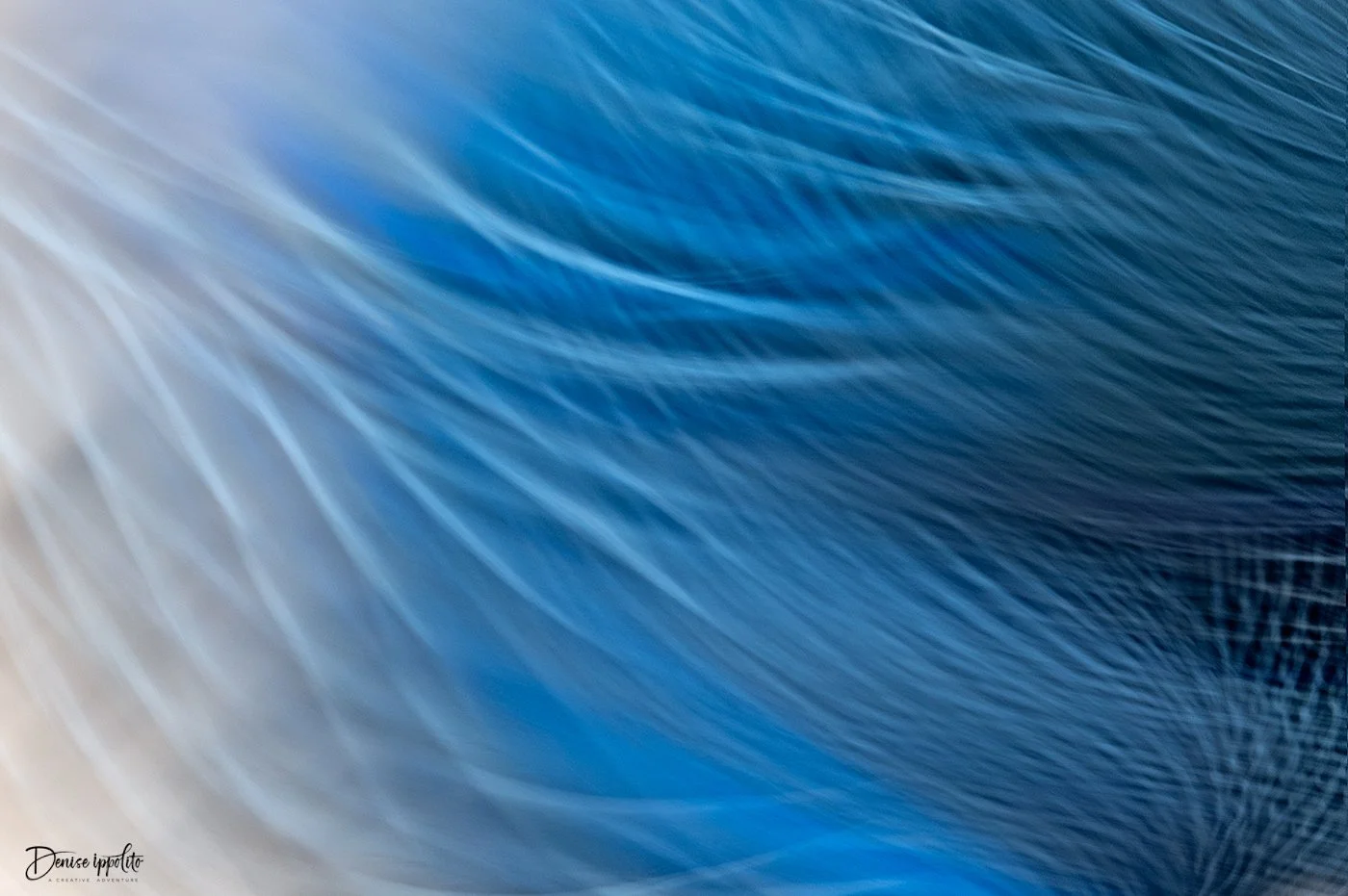
in-camera movement blur of a Vulturine Guinea Fowl’s feathers.
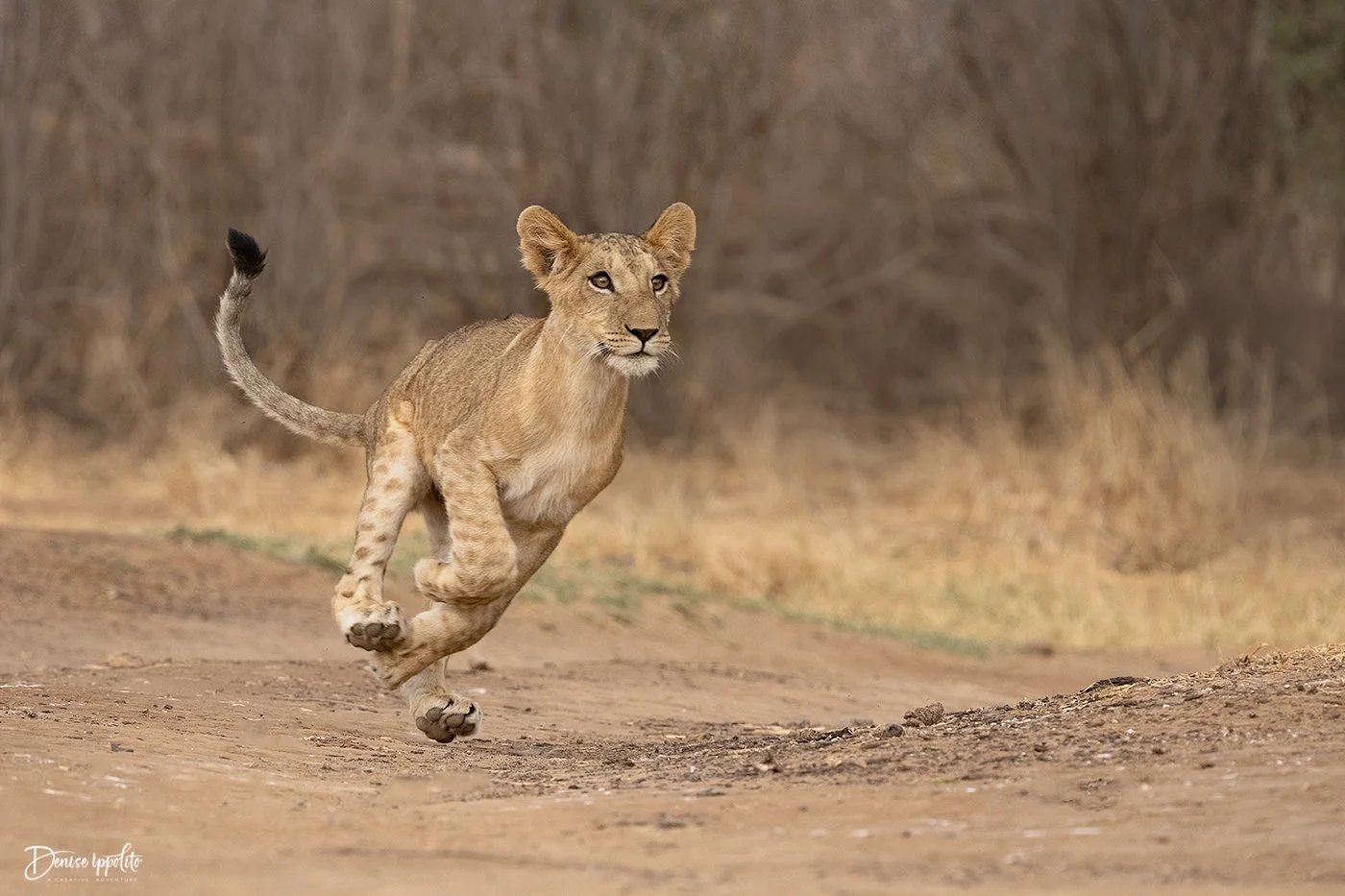
We were in Samburu during their dry season, I much prefer this time of year in Samburu as it is less crowded, there isn’t as much vegetation- so there aren’t as many hiding places for the cats, the water is more scarce which tends to herd the wildlife into one area, and there is always the chance of backlit dust which adds so much color to the images. Unfortunately, we could not capitalize on the backlit dust this time, but maybe next time.
Our next stop- the Maasai Mara. And again, The Mara Delivers…
I say this often because it is true, we always come across something interesting to photograph. On our first full day, our vehicles rolled up on a Topi and her baby fighting off two jackals and a hyena. It was a long, drawn-out battle with both Topis giving their all during this life-or-death struggle to save the poor little Topi baby. But mama Topi fought vehemently as did the baby. Both were determined to walk away. I could hardly believe it when the mother won the fight with the hyena, and the baby shook off the jackals. Amazing, heart pumping action with everyone routing for that baby!!
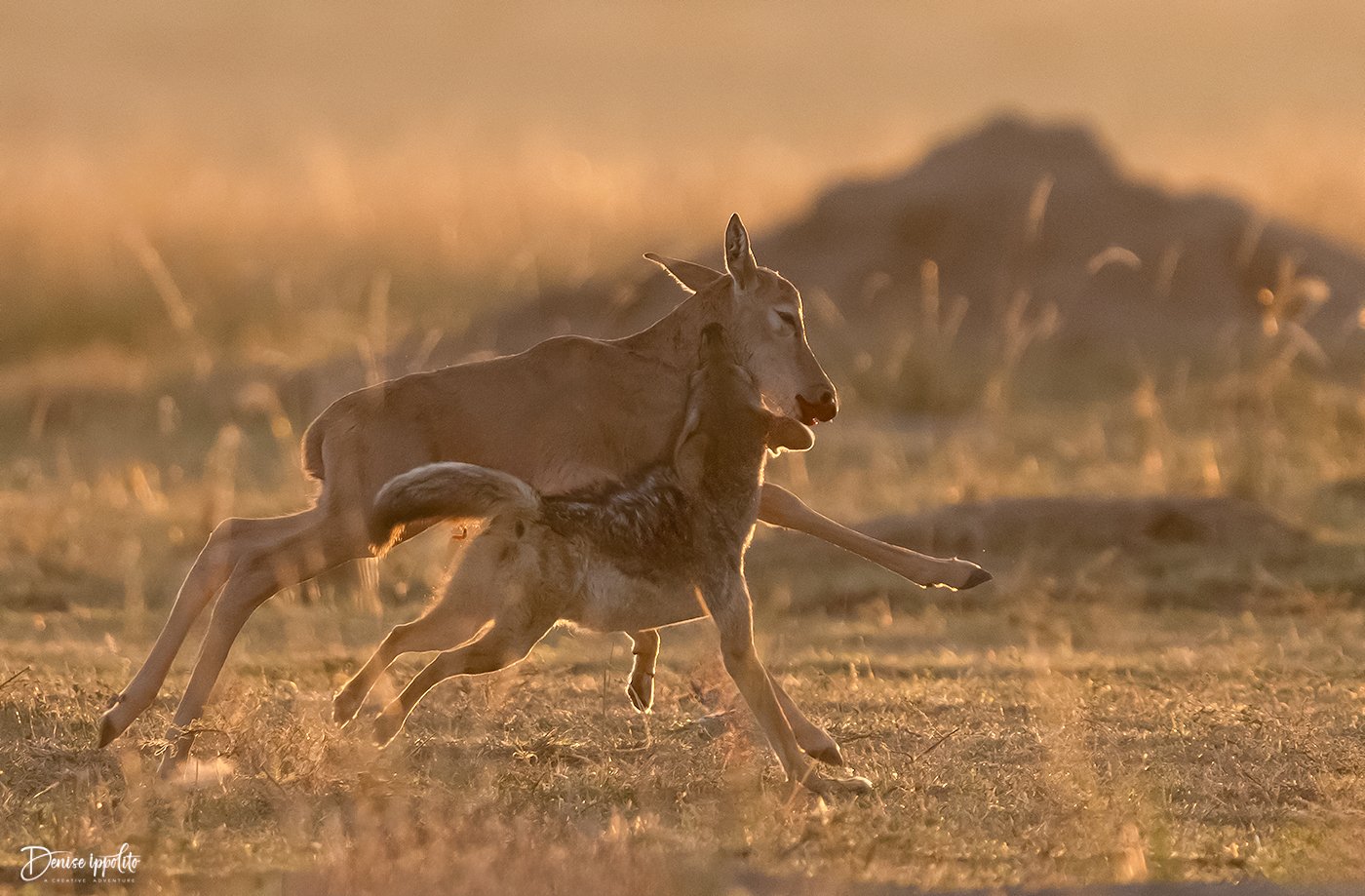
Baby Topi running for his life-he survived.
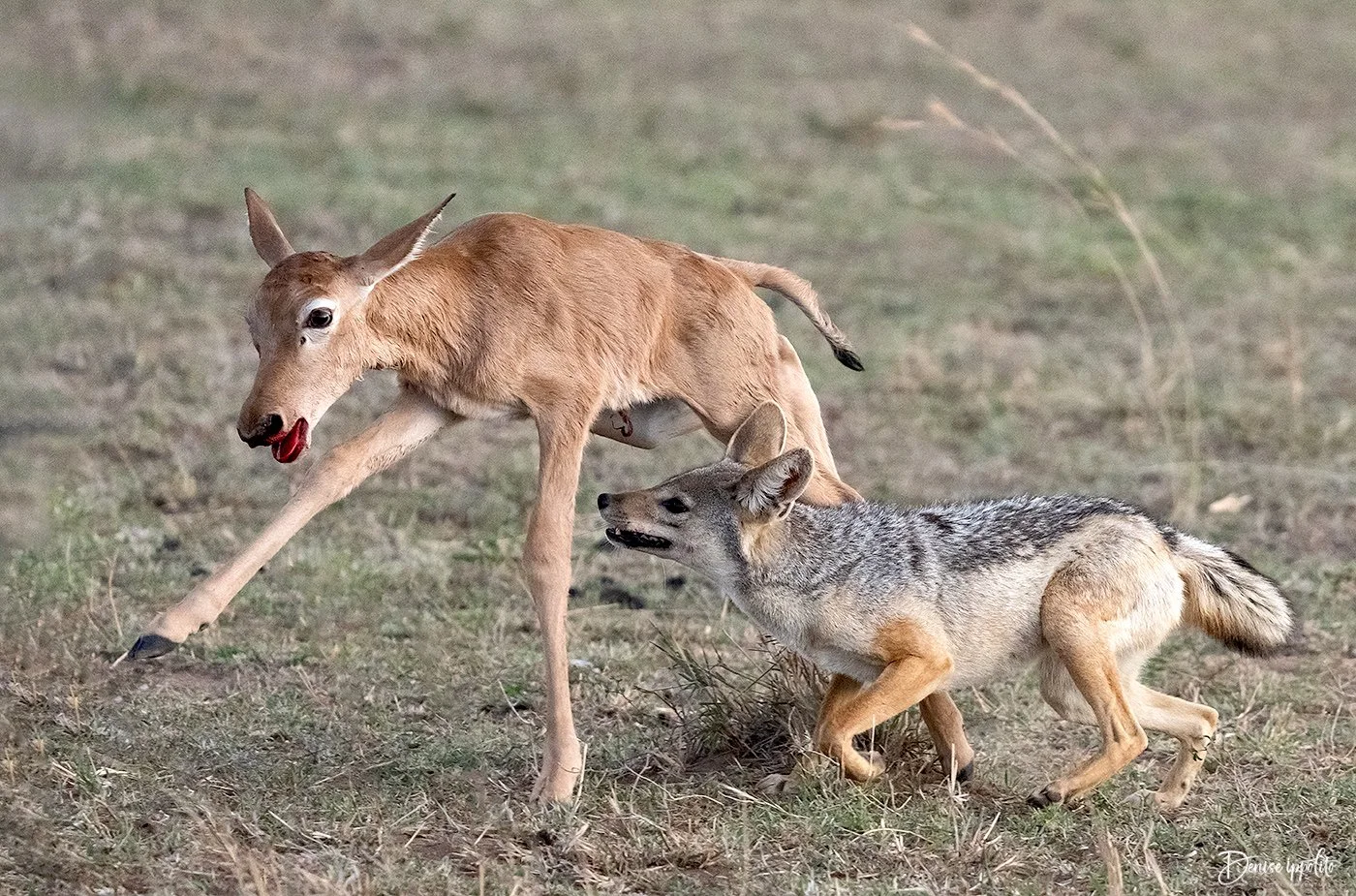
His tongue was bleeding but he managed to get away, thanks to his fierce and relentless mother.
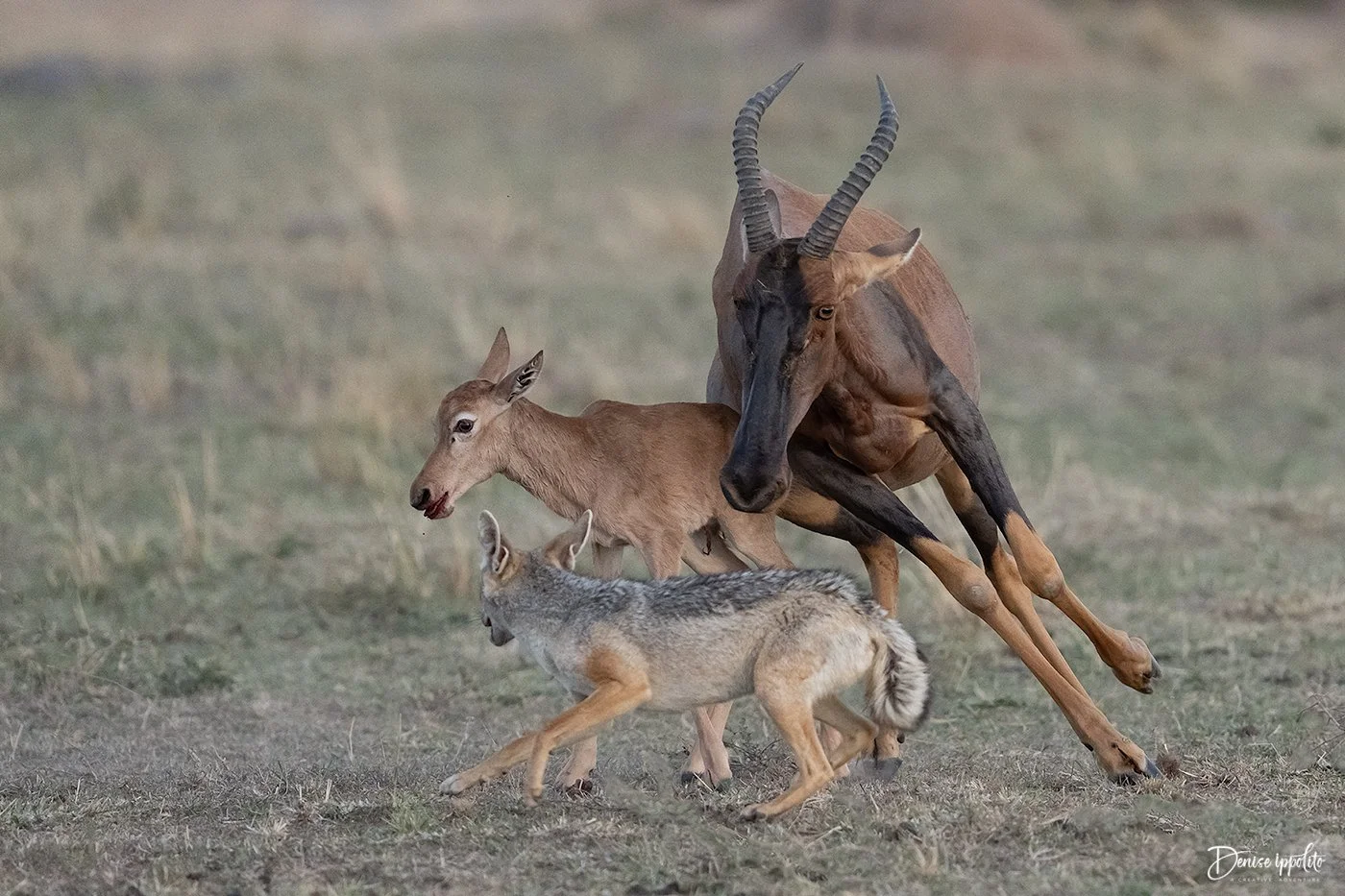
Mom to the rescue!
The rest of the day was spent photographing Ostrich chicks, Lilac Breasted Rollers with grasshoppers, Jackal pups, Elephants, Cheetahs hunting (unsuccessfully), Mongoose on termite mounds and more.
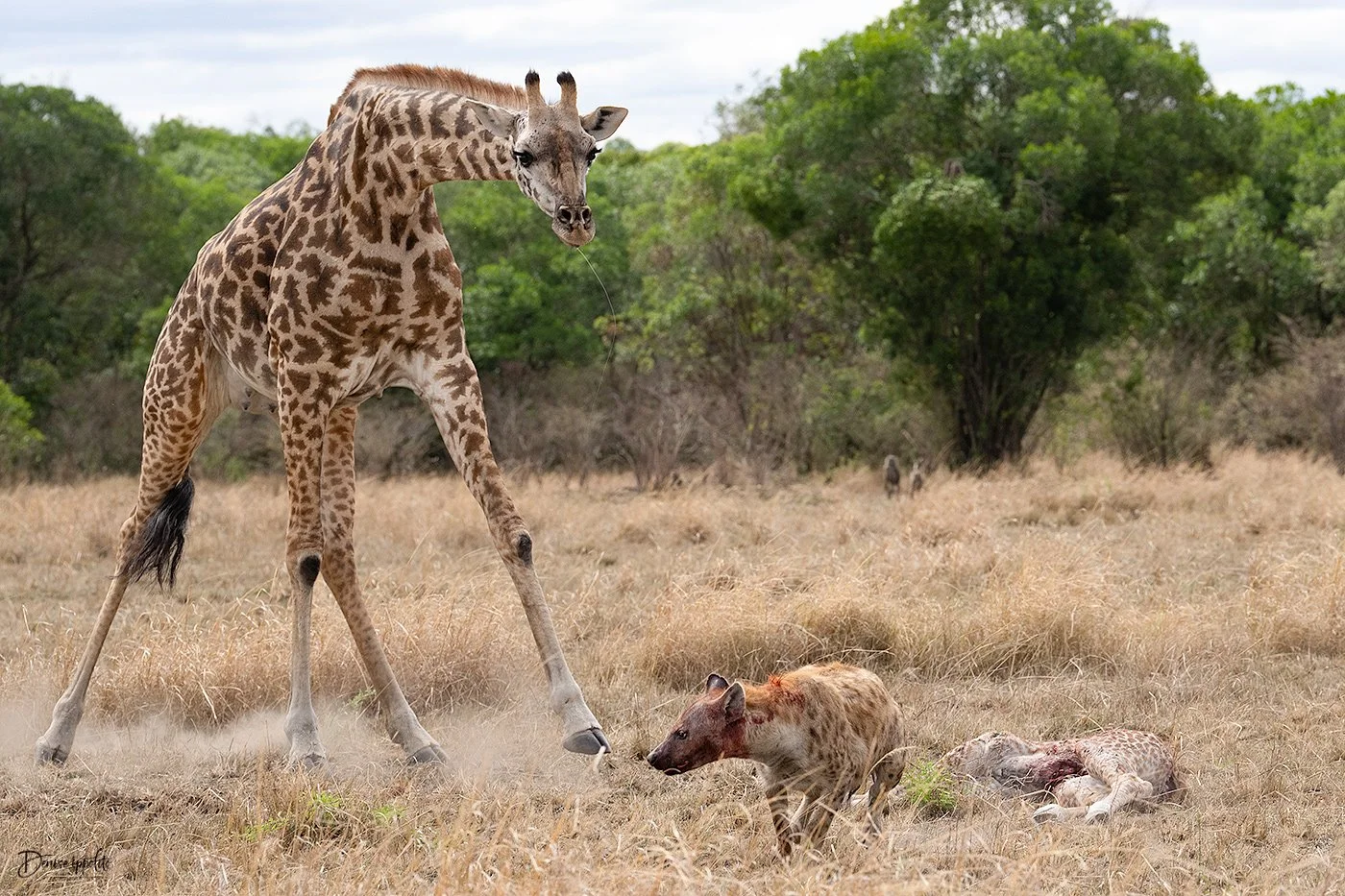
It was an extremely sad scene to watch, let alone photograph.
The next day, in the early morning, we came across a giraffe who had just lost her baby. It is unclear how the baby died but we determined it was not a still born. A clan of hyenas had surrounded the mother and child and were waiting patiently (well almost patiently) for the mother to abandon her baby. But she would only walk away a few steps at a time, only to return just in time to ward off the hyenas. She would bend down and sniff her baby, maybe to reassure herself it was gone. This happened repeatedly for 5 hours (we left and came back) until the adult giraffe finally walked away into the bush. Linda Caden said she researched it, and that giraffes grieve their dead just like elephants, it was a heartbreaking scene to watch as she mourned her young one.
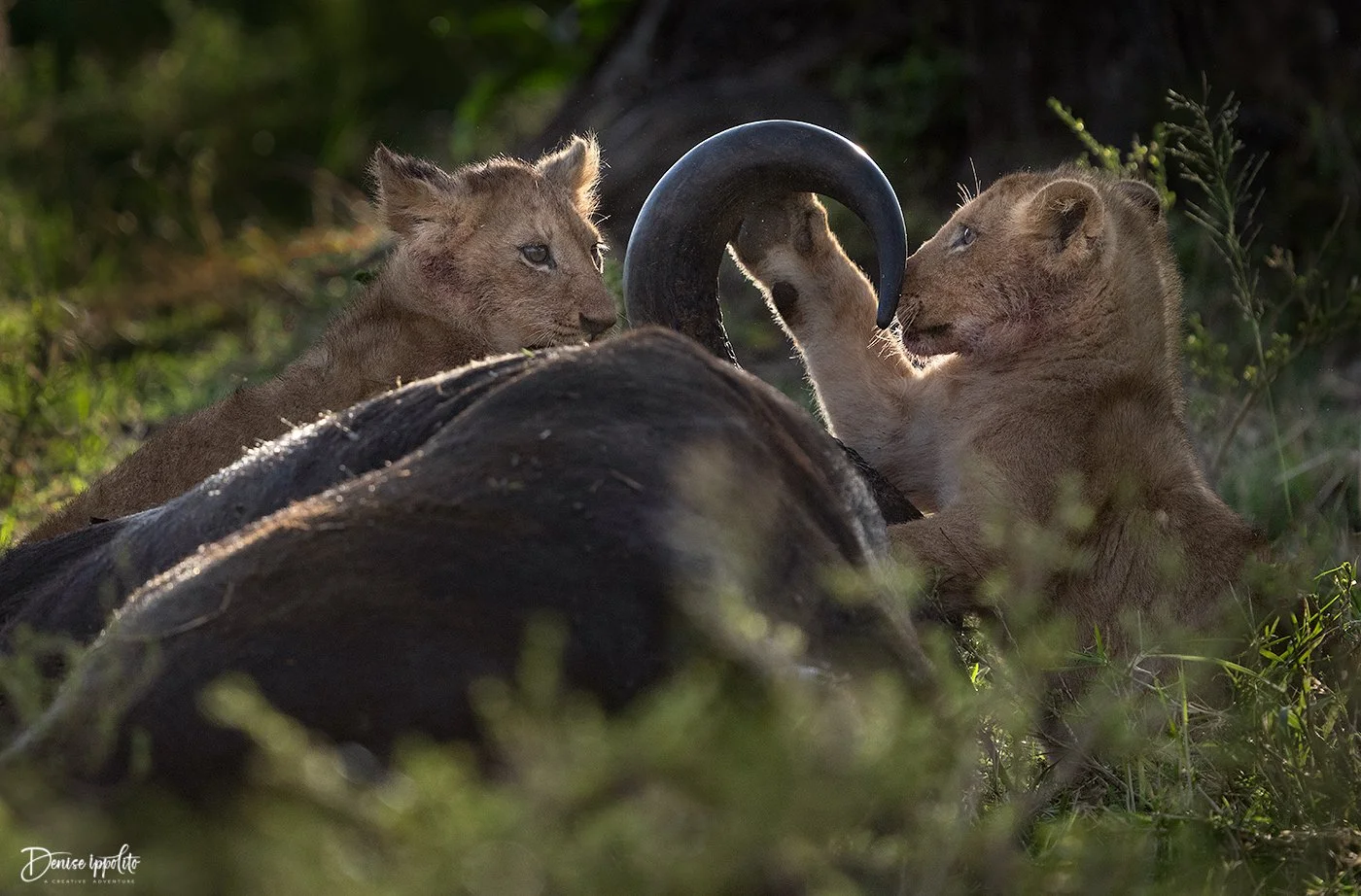
We ended the day photographing 3 of the cutest little lion cubs climbing all over their mom. It was definitely a highlight to see the joy in their eyes as they romped around and played together. We also found the rest of the pride feeding on a Cape Buffalo. Some of the younger lions were trying to climb nearby trees while others fed on the buffalo.
The next morning, we headed back out to see the young lion cubs. On our way to find the cubs, we saw an adult male lion looking for his 3 brothers. We had come across the four males the day before, they were sleeping all together under a tree. After that encounter we caught up to the tiny lion cubs, they were busy climbing a nearby tree. I was so afraid one would fall as they climbed pretty darn high for such tiny cubs. It was a fantastic morning filled with smiles and laughter as we all loved photographing the cubs. After lunch and a short rest, we went back out to check on a leopard that we got a tip on. Yep, we found it and had it all to ourselves until word got out. The leopard that we found is named Olumunyak, he is the son of Luluka (my favorite female leopard) and the grandson of Lorian. The day before we arrived in the Mara he had captured/ killed and eaten a hyena. It took him 3 days to finish it. Needless to say, he’s a survivor!
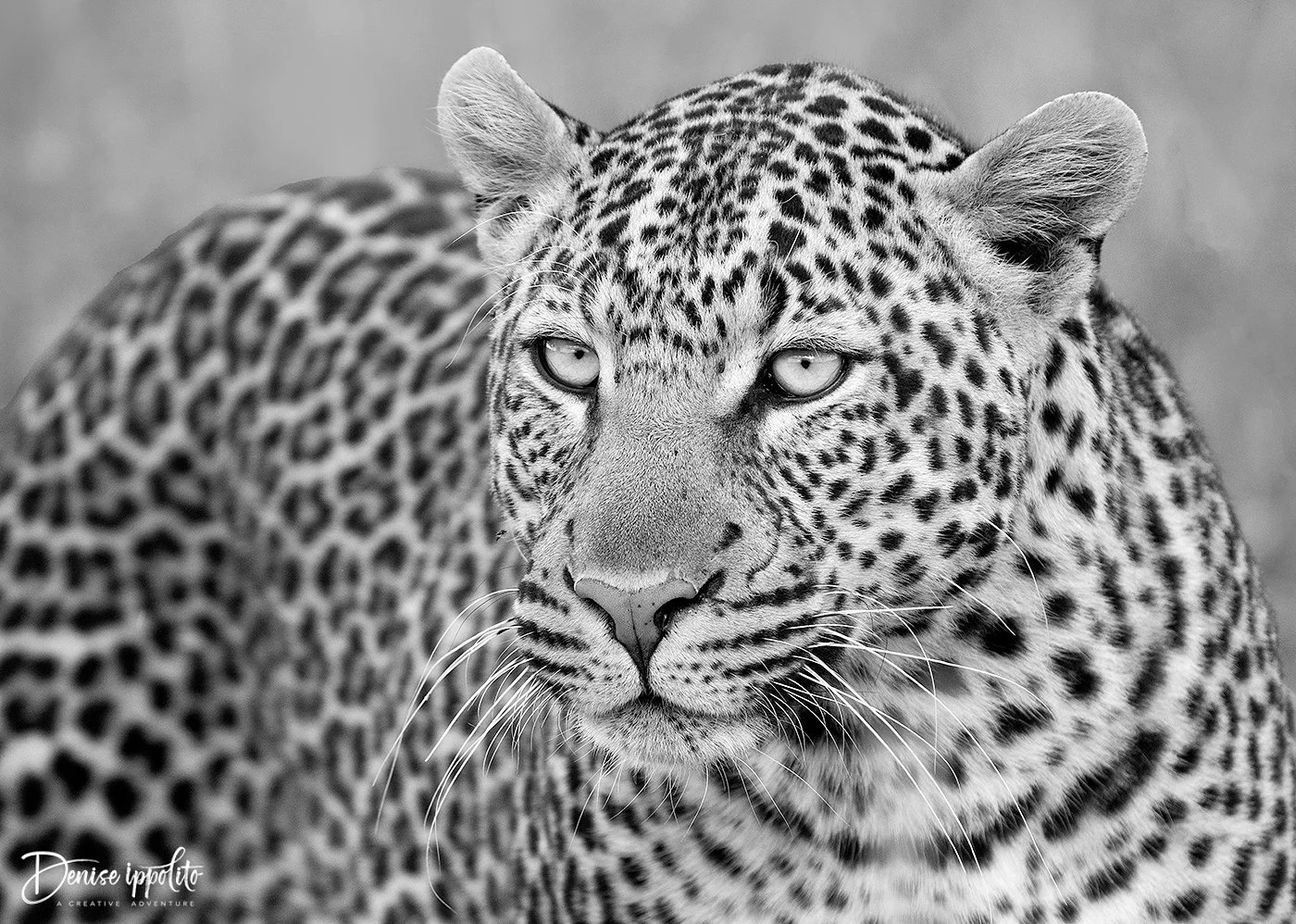
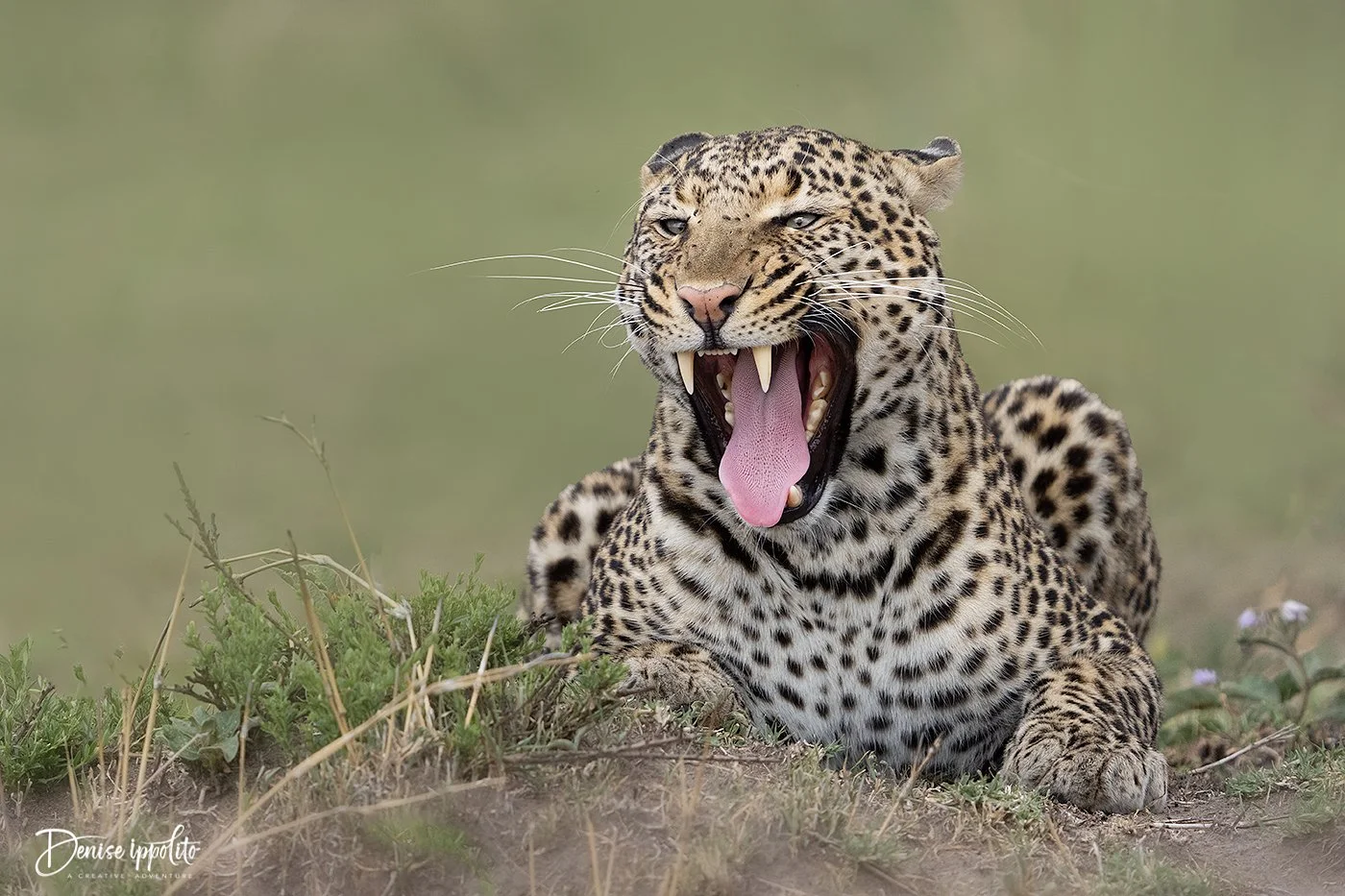
We had many great sightings during this workshop. However, we had a real treat on our last night in the Mara. We were fortunate enough to see leopards mating. There were 5 other cars there, so it was a private sighting. The leopards were a large male named Olopono and a noticeably young, tiny female that is not named yet, she is the daughter of Bella 2. I have a feeling after this week; she’ll receive a name<wink>.
Our camp in the Mara was centrally located. Our tents were fabulous and each included a refrigerated mini bar (all included), gourmet meals, and a large front deck with a wide-open view of the river. The tents were large and had plenty of room to spread out. We each had our own private room steward who brought coffee or tea to you each morning. Having a few amenities like this during a safari can really make you feel pampered.
Overall, the combination of aerial photography over the soda lakes along with Samburu’s “special five” and the action-packed Maasai Mara, this trip was a huge success. I’m already looking forward to next year.
Some more images from the Mara.
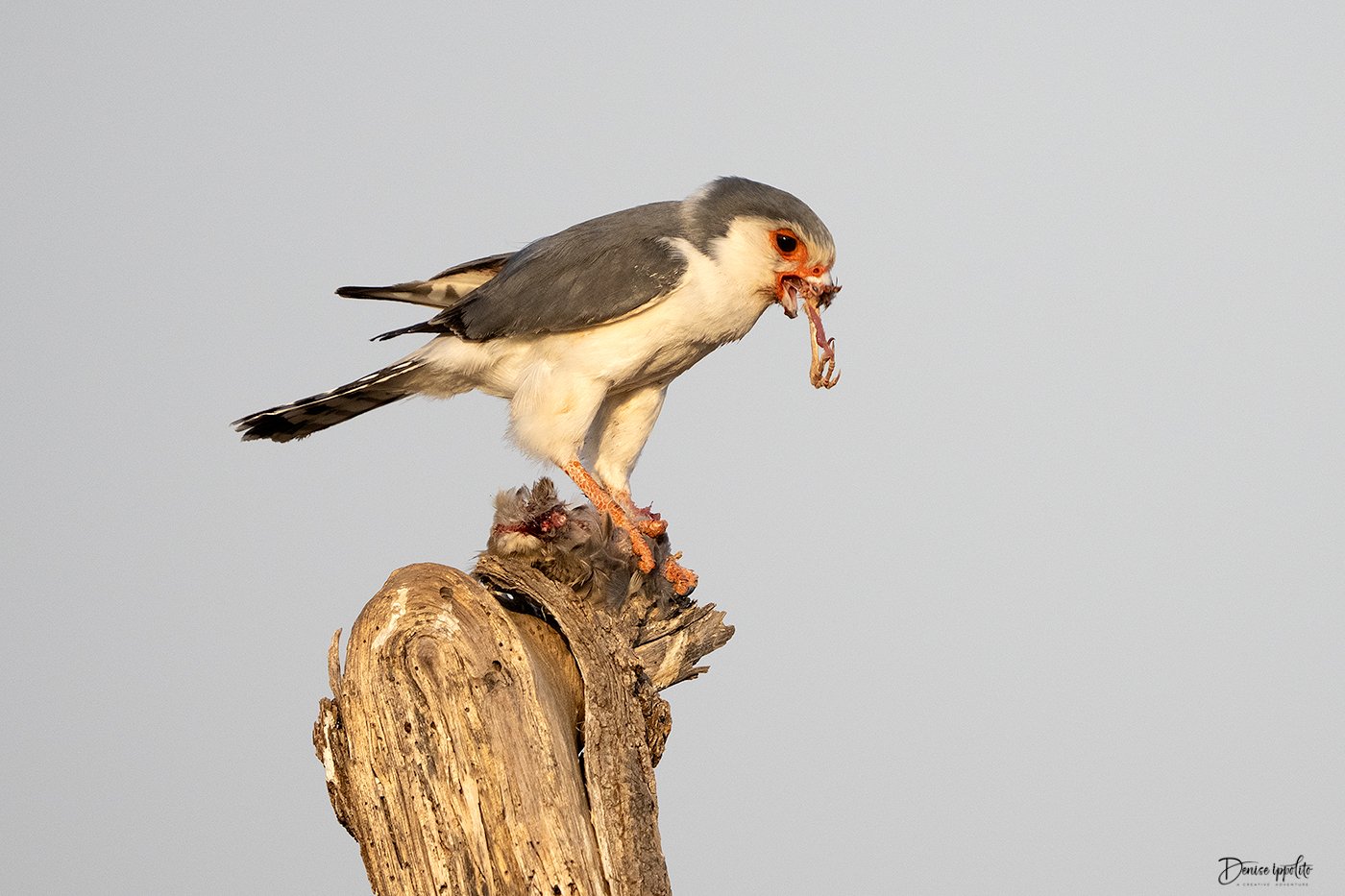
Pygmy Falcon
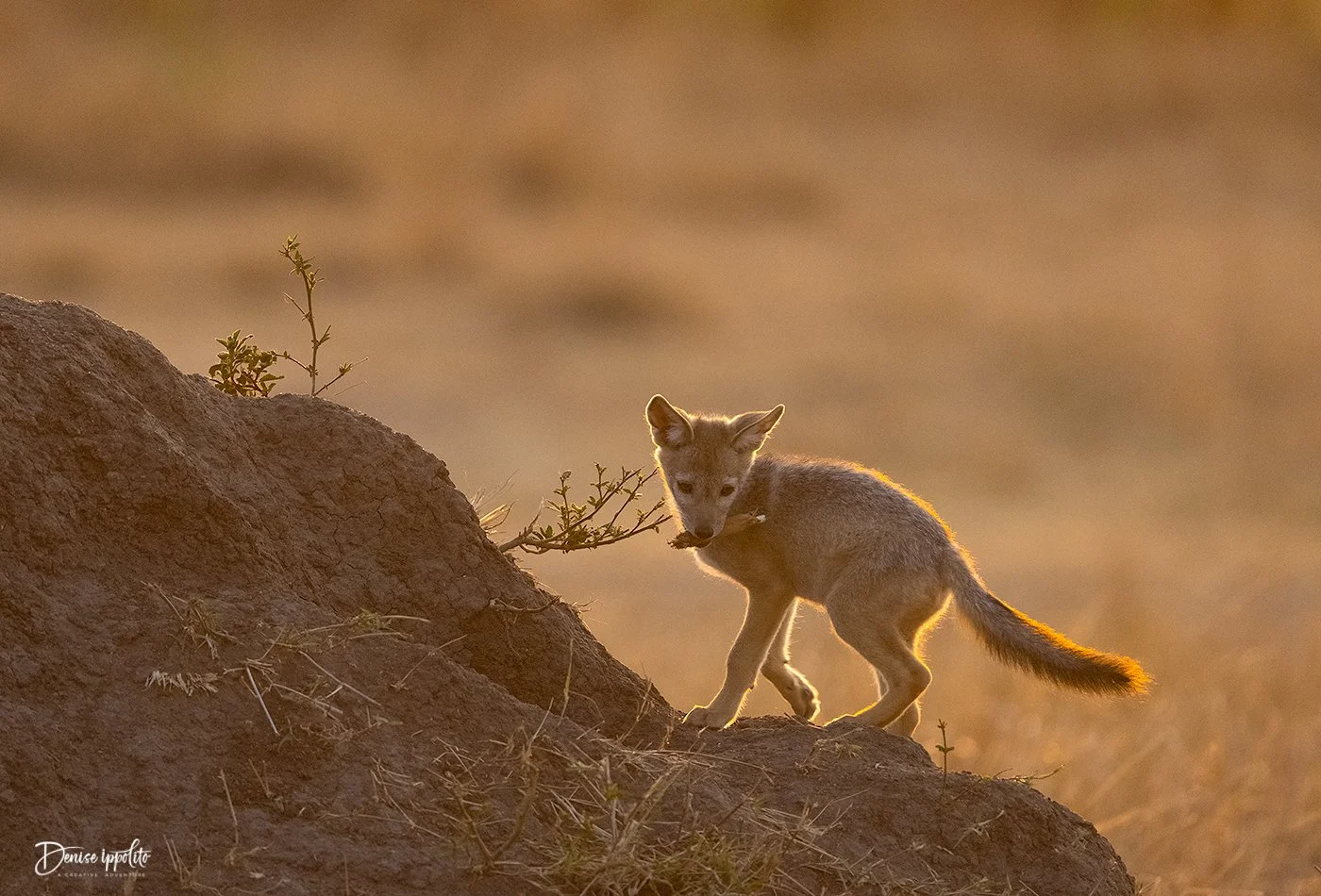
Jackal pup
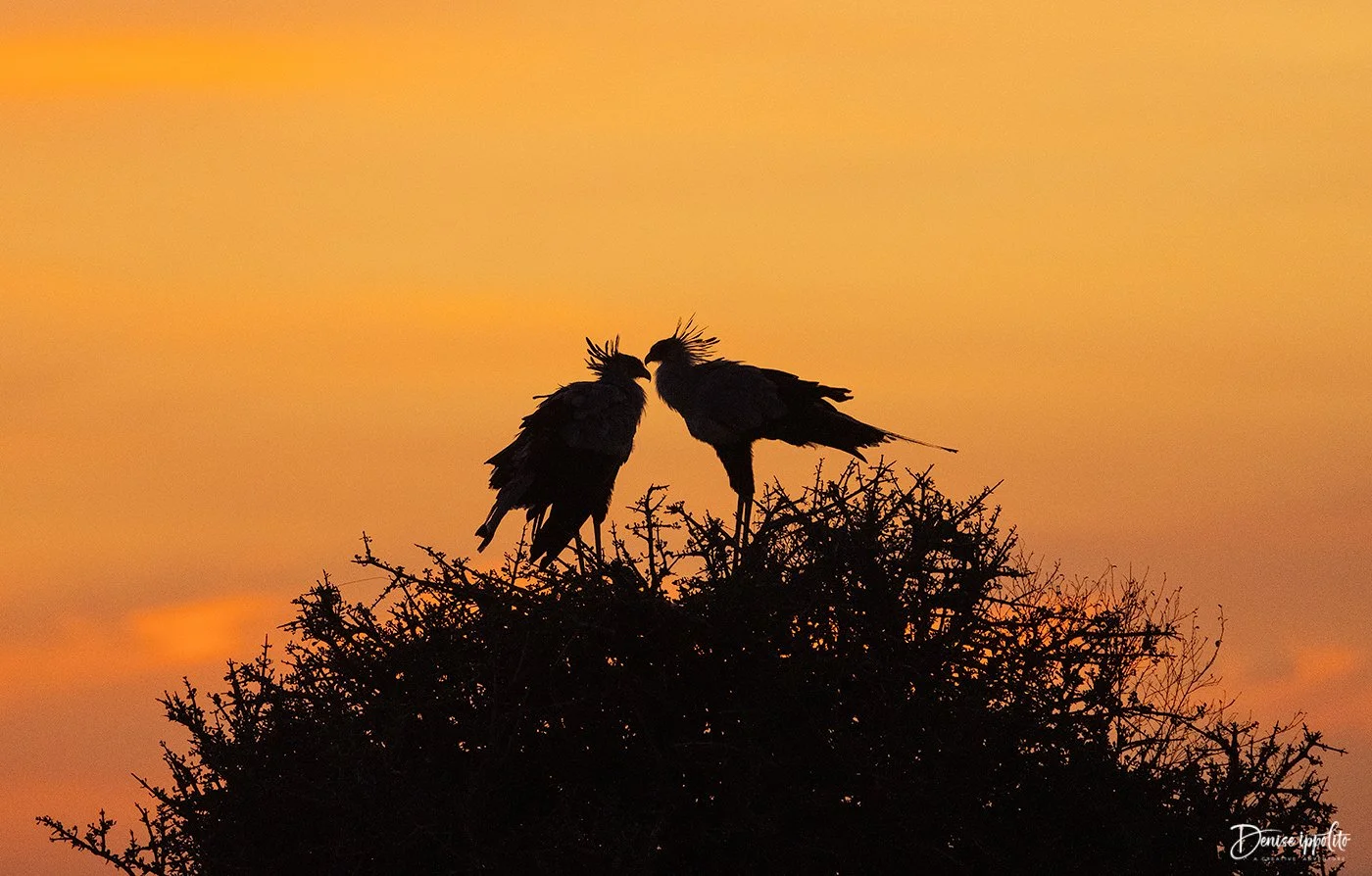
Secretary birds at sunrise